
Peeling
In dehydrated vegetables, the peeling of raw materials is carried out depending on the type of product. Peeling is necessary when the fruit’s skin (epidermis) is very tough, imparts bitter flavors, or gives an unpleasant texture to the palate.
For example:
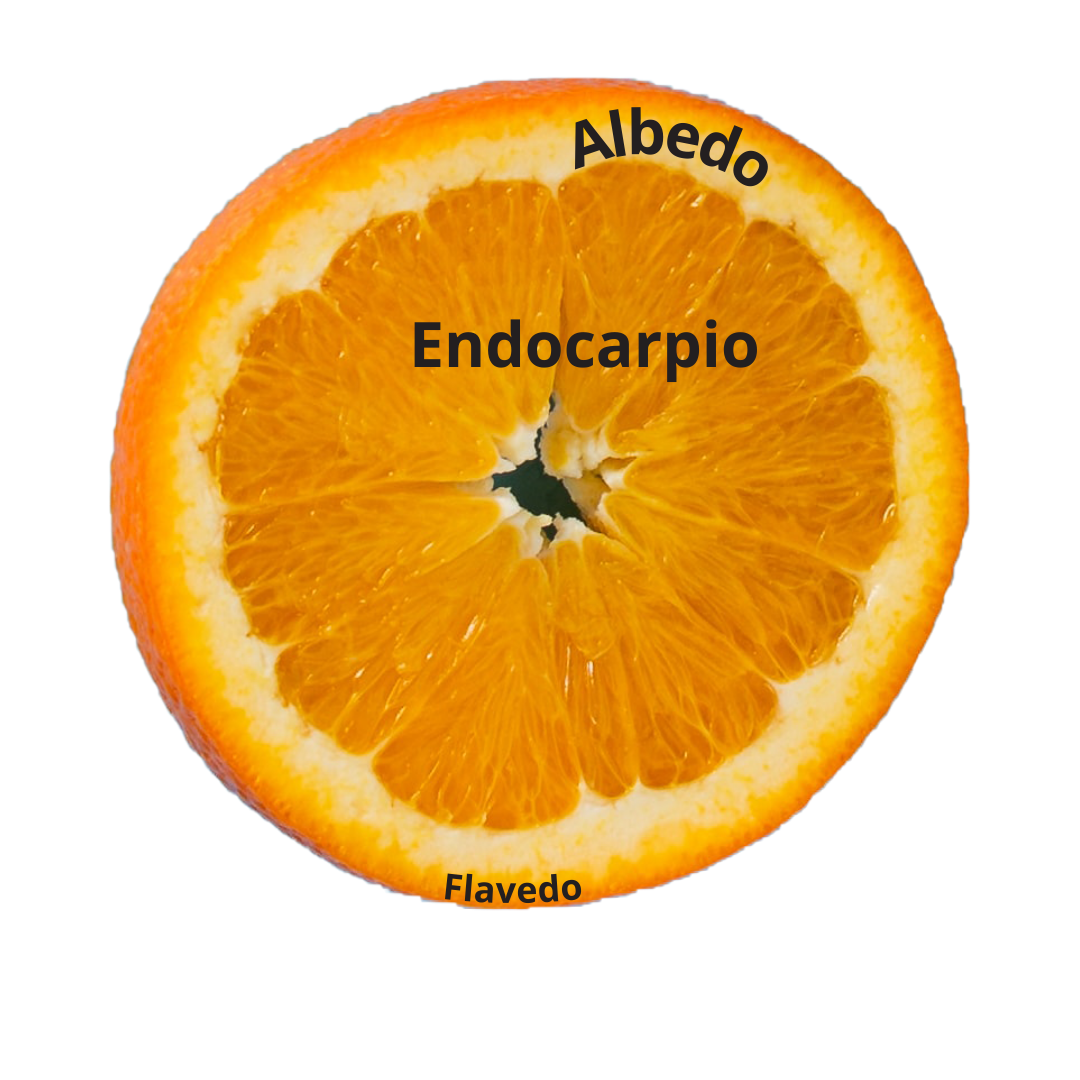
Citrus fruits: Peeling is usually skipped. The peel or flavedo contains aromatic essential oils, and the albedo (white part) helps the pieces maintain their shape, providing structural rigidity, especially if they are circular.
- Apples: The skin is usually removed because it can become leathery or chewy during dehydration, making it difficult to chew.
- Mangoes and pineapples: The skin is always removed because it is very thick and can impart bitter flavors and a fibrous texture.
Peeling most fruits and vegetables can be done manually (using hand peelers or knives), mechanically (using abrasion machines or rotary blades), chemically (usually with controlled-temperature sodium hydroxide solutions), or thermally, depending on the production volume and the delicacy of the fruit.
On the other hand, inedible parts such as the apple core, pits, seeds, etc., will be removed.